
Top 10 Community Engagement Activities Chapter Members Can Use for Greater Impact
A chapter can have a full calendar and still feel invisible in the community. Impact does not come from activity alone. It comes from showing up in useful ways, building trust, and turning one-time contact into lasting participation.
Chapter members are often the strongest bridge between an organization and the people it hopes to serve. Members know local needs, have personal networks, and can spot small opportunities that leaders may miss. The right community engagement activities help a chapter become known for service, listening, and follow-through, not just events.
The best activities are simple enough to repeat and flexible enough to fit different chapter sizes, budgets, and missions. Here are 10 practical options that can help chapter members create greater impact across any community.

Start with listening before planning
A chapter earns trust faster when members listen before they launch a project. Listening helps avoid assumptions, uncovers real needs, and shows respect for the people already doing work in the community.
1. Host community listening sessions
A listening session is not a panel, pitch, or lecture. It is a structured conversation where chapter members ask thoughtful questions and capture what they hear.
Keep the format simple:
Invite residents, local volunteers, educators, faith leaders, small business owners, and service providers.
Ask what challenges feel most urgent.
Ask what support already exists.
Ask what the chapter could do that would be genuinely useful.
Share a short recap after the session so people know their input mattered.
The most useful listening sessions are small and repeatable. A group of 10 to 15 people can produce clearer insight than a crowded room where only a few voices dominate. Rotate locations, such as libraries, recreation centers, schools, and neighborhood spaces, so participation feels accessible.
Impact tip: Assign one chapter member to listen for recurring themes and another to record direct community requests. Do not turn the session into a debate about what the chapter prefers to do.
2. Run a needs and assets walk
A needs and assets walk helps members see the community with fresh eyes. Instead of discussing needs from a distance, members walk through a neighborhood or service area and observe both gaps and strengths.
Look for:
Public spaces that feel welcoming or neglected
Local groups already serving residents
Schools, parks, food pantries, shelters, and libraries
Transportation barriers
Bulletin boards, murals, gardens, and gathering places
Areas where a chapter could support, repair, beautify, or connect people
This activity works best when chapter members walk with someone who knows the area well. A resident, youth leader, librarian, or local organizer can explain what an outsider might miss.
The goal is not to judge a community. The goal is to understand it. A chapter may discover that the best contribution is not a new program, but support for something already working.
Turn service into relationships
Service days can be powerful, but only when they build connection. A one-time project may solve a short-term need. A thoughtful service activity can also create trust, visibility, and shared pride.
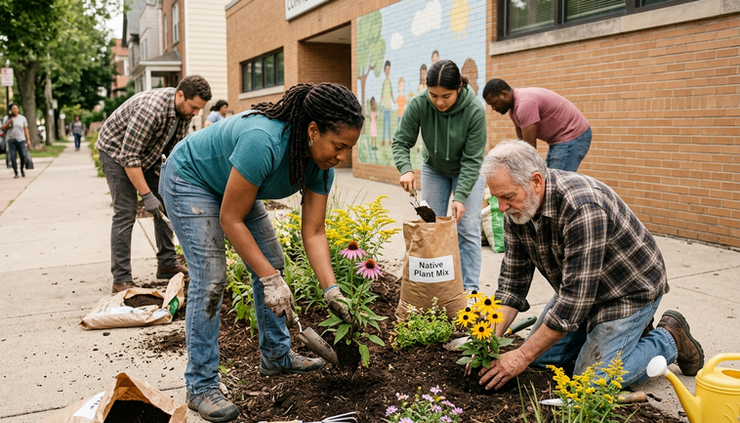
3. Organize hands-on service projects with local partners
Service projects are among the most visible ways chapter members can contribute. Good options include park cleanups, food pantry support, school supply drives, neighborhood beautification, meal packing, and home repair days with qualified partners.
The key is partnership. Instead of choosing a project alone, ask a local organization what help would actually lighten its load.
A strong service project includes:
A clear task
A realistic time frame
Enough supplies for every volunteer
A safety plan
A partner contact on site
A follow-up message thanking participants and naming the result
Avoid treating service like a photo opportunity. Take photos only with permission, respect people receiving support, and keep the focus on the work.
Impact tip: After the project, ask the partner, “What would make this more helpful next time?” That one question can improve every future activity.
4. Create a chapter volunteer pathway
Many people want to help but do not know where to start. A volunteer pathway gives members and community supporters a clear route from first contact to deeper involvement.
A simple pathway might look like this:
First step
Next step
Deeper step
Long-term step
Attend a low-pressure service day or community event
Join a project team for one month
Lead a small task, such as supplies, outreach, or check-in
Mentor new volunteers or coordinate a partner relationship
This approach matters because not everyone is ready to join a committee or take on a major role. Small steps let people build confidence. They also help chapter leaders spot reliable volunteers without overwhelming them.
A pathway also keeps members engaged between major events. Someone who cannot attend every meeting may still lead a supply drive, welcome volunteers, or coordinate transportation.
Share skills that the community can use
A chapter often has more knowledge than money. Members may know how to write resumes, prepare for interviews, manage a budget, apply for college, maintain a community garden, care for pets, use basic technology, or navigate local resources.
When shared with humility, those skills can create lasting value.
5. Offer skill-sharing workshops
Skill-sharing workshops work well because they are practical and easy to adapt. A chapter can host sessions at a library, community center, school, shelter, or partner site.
Useful workshop topics may include:
Resume and interview practice
Basic home maintenance
Financial literacy basics
College and scholarship preparation
Digital safety for families
Emergency preparedness
Public speaking practice
Healthy meal planning on a budget
Tenant resource navigation with a qualified partner
Career path conversations for students
The best workshops are not too broad. “How to prepare for a job interview” is stronger than “career success.” “How to build a simple emergency kit” is more useful than “disaster readiness.”
Keep each session focused on one clear outcome. Give participants a handout, checklist, or tool they can use afterward.
Impact tip: Ask participants to practice during the session. People remember more when they do something, not just listen.
6. Start a mentoring or buddy program
Mentoring helps chapters move from event-based engagement to relationship-based support. It can serve students, young professionals, new members, entrepreneurs, neighbors, or people entering a new stage of life.
A good mentoring program needs structure. Without it, the relationship can fade or become unclear.
Set simple expectations:
Who the program serves
How mentors are screened or selected
How often pairs meet
What topics they cover
How long the match lasts
Who to contact if there is a concern
How success will be reviewed
Mentoring does not have to be formal to matter, but it does need care. For programs involving minors or vulnerable groups, work with established organizations and follow all safety, consent, and background check requirements.
Peer mentoring can also work inside the chapter. Experienced members can help newer members learn how to serve, lead, and connect with partners. That builds chapter strength while improving community work.
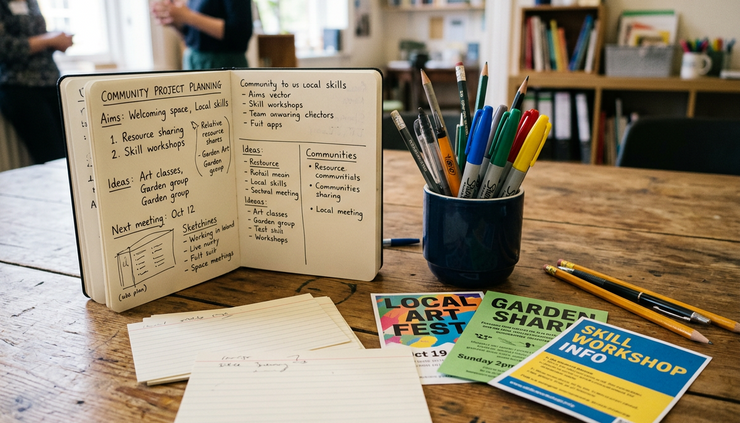
Build partnerships that last beyond one event
Chapters can do more when they stop working alone. Strong partnerships help prevent duplicate work, expand reach, and create shared ownership.
7. Adopt a community partner for the year
Instead of switching causes every month, a chapter can choose one partner to support for a full year. This partner might be a school, shelter, food bank, youth program, senior center, environmental group, or neighborhood association.
Longer partnerships create better results because members learn the partner’s rhythms and needs. They can also plan ahead and offer more reliable help.
A yearlong partnership might include:
Quarterly service projects
Monthly supply support
Volunteer staffing for key events
Skills-based help
Member education about the partner’s mission
Shared reflection at the end of the year
Choose the partner carefully. The best fit is not always the largest organization. A smaller group with clear needs and good communication may offer more meaningful opportunities.
Impact tip: Put one chapter member in charge of partner care. That person checks in regularly, confirms details, and makes sure the partner is not carrying extra work because of the chapter.
8. Hold resource connection events
A resource connection event brings helpful local services into one accessible space. Instead of expecting residents to track down support one office at a time, the chapter helps gather trusted resources.
Depending on the community, this event might include:
Health and wellness information from qualified providers
Housing resource groups
Food assistance programs
Education and tutoring services
Job readiness support
Library card signups
Legal aid organizations
Youth programs
Senior services
Transportation information
The chapter does not need to provide every answer. Its role can be to convene, welcome, guide, and follow up.
Make the event easy to navigate. Use clear signs, greeters, printed maps, and a quiet area for private conversations if partners need it. Ask partner organizations what setup helps them serve people well.
This kind of event can have strong impact because it reduces friction. When people find multiple forms of support in one place, they save time and energy.
Make engagement visible, repeatable, and measurable
Community work should feel human, not mechanical. Still, chapters need simple systems to learn what works. That means tracking participation, asking for feedback, and following up with care.
9. Create a community ambassador team
A community ambassador team helps a chapter stay connected between events. Ambassadors are members who build relationships with specific neighborhoods, partner groups, schools, or interest areas.
Their role is to listen, share invitations, welcome new participants, and bring feedback to the chapter. They are not salespeople. They are trusted connectors.
A chapter might assign ambassadors to:
Local schools and parent groups
Youth programs
Neighborhood associations
Senior centers
Cultural organizations
Volunteer groups
Local service providers
Campus or alumni networks
Ambassadors should have clear guidelines. They need to know what they can promise, what questions to ask, and how to record feedback. A simple monthly check-in can help the group compare notes and spot patterns.
Impact tip: Choose ambassadors who are reliable and good listeners, not just the most outgoing members.
10. Use feedback circles and impact check-ins
The final activity may be the most overlooked. After any event or project, chapter members should ask what changed, what worked, and what needs to improve.
A feedback circle can take 20 minutes. Invite volunteers, partners, and participants to answer three questions:
What was helpful?
What was confusing or difficult?
What should we do next?
For larger activities, add a short survey. Keep it brief. People are more likely to respond when the questions are clear and respectful.
Track simple measures such as:
Number of participants
Number of volunteers
Hours served
Supplies distributed
Partner satisfaction
New relationships formed
Follow-up requests
Repeat participation
Numbers do not tell the whole story, but they help chapters make better decisions. Pair them with short stories, quotes shared with permission, and partner feedback.
Impact tip: Share results with members and partners. People stay engaged when they can see that their time made a difference.
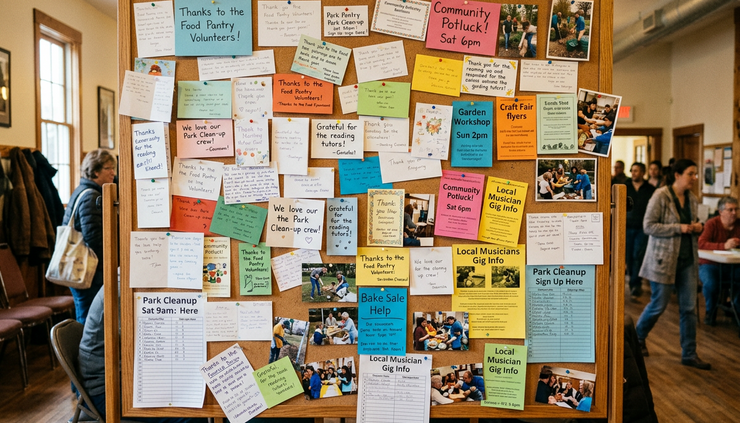
How to choose the right activities for your chapter
Not every chapter should do all 10 activities at once. Greater impact comes from choosing well, starting small, and staying consistent.
Use these questions to decide where to begin:
What does the community keep asking for?
What do local partners already need help with?
What skills do chapter members have?
How much time can members give each month?
Which activity can the chapter repeat without burning out?
How will the chapter follow up after the activity?
Who will own the details?
A small chapter might begin with listening sessions, one partner, and quarterly service projects. A larger chapter might add ambassadors, mentoring, and resource events. A student chapter might focus on peer mentoring and school partnerships. A professional chapter might offer skill-sharing workshops and resource connections.
The point is to create a rhythm. One strong activity repeated well will do more than five scattered events with no follow-up.
Here is a simple way to match activities to chapter goals:
Chapter goal | Best activity to start with |
Build trust | Community listening sessions |
Increase visibility | Hands-on service projects |
Support a local cause | Adopt a community partner |
Use member skills | Skill-sharing workshops |
Grow participation | Volunteer pathway |
Build long-term relationships | Mentoring or buddy program |
Understand local needs | Needs and assets walk |
Connect residents to help | Resource connection events |
Stay present year-round | Community ambassador team |
Improve future work | Feedback circles and impact check-ins |
The real measure of chapter impact
The strongest chapters do not chase activity for its own sake. They listen, serve, learn, and return. They understand that community engagement is built through repeated, respectful contact.
Start with one or two activities that fit your members and your community. Plan them well. Follow up. Ask what could be better. Then do it again.
Greater impact rarely comes from a single big moment. It grows when chapter members become dependable neighbors, useful partners, and steady builders of trust.

Comments